
Now as you will probably have guessed I am indeed against the new ID card scheme and there are many reasons for this which will be explain through the time I maintain this blog. One reason I appose the system greatly is the blatant risk this scheme creates regarding our personal information's security. Now if the government is going to collect and hold so much information about us then the least you'd expect is that it would be kept safe. We are
promised gold standard security
regarding our information held on the database but what does this really mean?
Now the way the database is designed for information to be passed around means that it is stored online meaning that security is not as simple as locking a door. I do not claim to be an expert when it comes to
Internet security but what I do know is this, any information held on the
Internet will ever be 100% secure. There will always be people who can hack through firewalls and play with the information which, when it involves your very identity, could be
disastrous to your life. Now when hacking is brought up in debate many people will say that this is not a risk as the security system that will be put in place will be created by the government and thus it will be almost impossible to hack making it
absurd to imagine people being able to pay a local hacker to damage others information. However this will simply not be the case. The problem being that just because it is the government in charge doesn't instantly make a system more secure, many cases can show this ideal of superior security to be flawed.
Fir
 stly
stly let's begin with the
American government and the pentagon. This is an organisation with billions of dollars at its disposal and with secrets that would lead you to conclude that they need the best security in the world.
Somebody simply hacking into the system without the backing of criminal masterminds and a whole team of experts seems
absurd doesn't it? Yet this is exactly what Gary
McKinnon, a 43 year old
Asperger's syndrome sufferer, did (
link). Now if the information is so delicate that it
warrants his extradition (
link) then surly their security would be top notch? It has also come to light that the Iraqi resistance have been hacking into US drones using nothing more then a £16
piece of software which is widely available to the public (
link). If it is possible for war machines to be hacked into by such simple methods what hope do we have for this database which will be so central to our lives.
That is just the problem you see. The fact that this database and ID card will hold so much of your information that eventually peoples lives will become dependant on it making it a target for
cyber terrorists or indeed
cyber warfare (
both are real threats shown by this link). Not only this but the fact that practically all of
someones personal information will be held in this one place will make the database a huge target for fraudsters and other criminals. The huge amount of people who could find gain by hacking or simply damaging the database is
staggering, meaning that sooner or later a way in will be found and the ramifications of this will be catastrophic.
The real question here is whether you trust our government to keep the astounding amount of information they want from you safe. This is the same government that lose
Cd's containing very personal information (
link) and leave laptops on trains (
link). If they can't keep the amount of information they already have on us safe then how do they expect to keep the
ludicrous amount of information they want on everyone in the UK safe. When past security specialists
for the
MoD warn that the system is a major threat (
link) you know
something is wrong. The prospect is terrifying.
Keep alert, stay free.


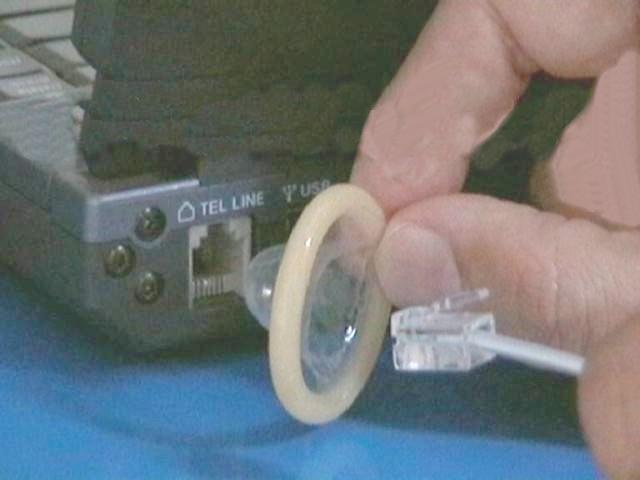 This is not adequate protection.


